
In-Home Cat Euthanasia in Richmond, VA
In-home cat euthanasia spares your cat the carrier, the car ride, and the clinic, so they can pass peacefully in a favorite sunny spot or on your lap. Our veterinarians provide calm, unrushed end-of-life care for cats and their families throughout Richmond, VA.
Why Home Is Often the Kindest Place for a Cat
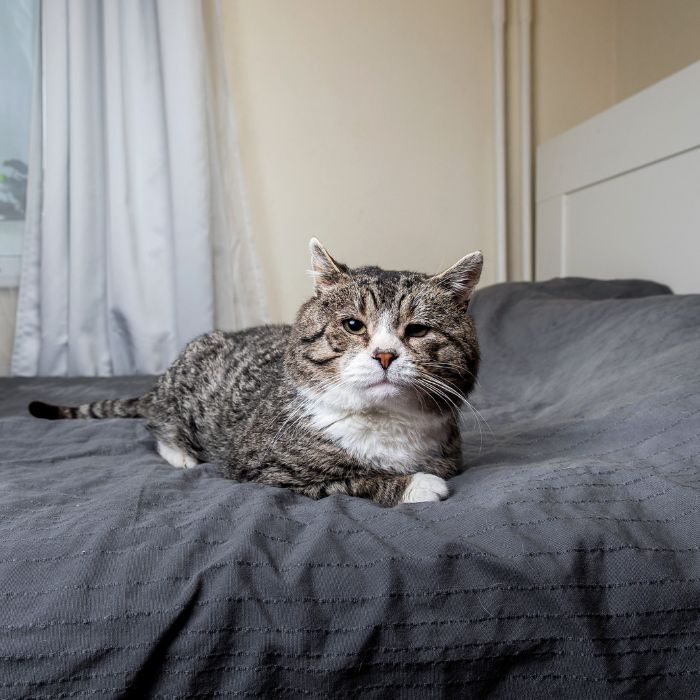
Cats are creatures of territory and routine. For many, being put in a carrier and driven somewhere new is one of the most stressful things that can happen to them, and that stress is the last thing a family wants in their cat’s final hour. A home visit lets your cat stay in the place they know, with familiar smells and sounds around them.
At Lovingkindness Veterinary Care, we follow your cat’s lead. The visit uses the same gentle steps described on our main in-home pet euthanasia page. This page covers what’s different when the pet is a cat.
Recognizing When a Cat May Be Ready
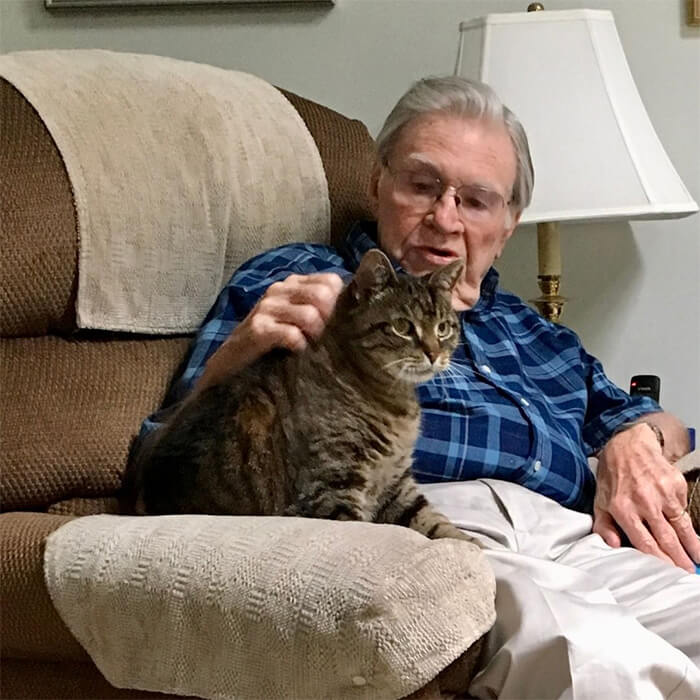
Cats are very good at hiding pain and illness, so changes can be easy to miss until a condition is advanced. Senior cats often live with chronic diseases such as kidney disease, hyperthyroidism, diabetes, arthritis, or cancer, and their decline can be gradual. Signs worth paying attention to include:
- Eating or drinking much less, or not at all
- Hiding more than usual or no longer greeting you
- Not using the litter box, or no longer grooming
- Weight loss you can feel along the spine and hips
- Sitting hunched in one place for long stretches
Because cats mask discomfort, many families find it helpful to track good and bad days with our Quality of Life Guide, or to talk things through in a quality of life consult before making a decision. For cats with good days still ahead, palliative care and pain management can keep them comfortable at home in the meantime.
A Calm, Low-Stress Visit for Your Cat
On the day of the appointment, your cat can settle wherever they’re comfortable, as long as we can reach them for the first sedative. If your cat tends to hide somewhere hard to reach, like inside a box spring, keep them in a room they like with an accessible hiding spot, such as a cat cave, a box, or a closet. Every member of our veterinary team is Fear Free certified, and we approach cats quietly and patiently.
We begin with a sedative or anesthetic injection under the skin or into the muscle. It takes only 5 to 10 seconds, and many cats barely notice it with a favorite treat or gentle petting. Over about 5 to 15 minutes, your cat relaxes and drifts into a deep sleep, often in your arms or in their favorite bed. Only once they’re fully asleep do we give the final injection, in whichever way is least disruptive to how they’re resting.
If your cat is fearful of strangers or hard to handle, let us know when you schedule. Your primary veterinarian may be able to prescribe an oral medication to give before we arrive, or our doctors can provide a liquid or gel to rub on your cat’s gums before the injection.
Afterward, you can stay with your cat as long as you need. If you’ve requested them, we make a complimentary Paw Pals paw print and a fur clipping, and if you’ve chosen cremation, we’ll carefully carry your cat to our vehicle for transport to the crematory.
Multi-Cat Households and Grieving Companions
Cats in the same household often have bonds that aren’t obvious until one is gone. Some surviving cats search the house, call out, or become clingy or withdrawn. Others seem unaffected. Letting your other cats see and smell their companion after the visit may help them understand the change, and we’re happy to give them that time before we leave.
Other cats are welcome during the appointment as well. If they’re unsettled, we may suggest they wait in another room and visit afterward.
Frequently Asked Questions About Euthanizing a Cat at Home
Do I need to put my cat in a carrier before you arrive?
Will my cat be scared or in pain?
My cat seems fine some days and not others. How do I decide?
Can my other cats be there?
How much does in-home cat euthanasia cost?
A Quiet, Familiar Goodbye for Your Cat
Cats find comfort in the familiar, and a goodbye at home honors that. Without a carrier or car ride, your cat can rest in a favorite spot while sedation lets them drift peacefully to sleep. Our certified hospice team approaches cats with patience and low-stress handling, gives your family time before and after, and helps with keepsakes and aftercare. We’re glad to care for cats and the people who love them throughout the greater Richmond area, and you can explore our full range of in-home veterinary services for comfort care along the way.